A wide or boxy jaw can be a genetic trait, a result of years of clenching and grinding, or simply the way your facial muscles develop over time. For many people, the masseter muscles at the back of the jaw do most of the work with chewing and nighttime clenching, and like any muscle, they can grow with overuse. When those muscles hypertrophy, the lower face can look heavier and more square. Botox jaw slimming targets the masseter to soften that angle, taper the lower face, and often ease symptoms tied to bruxism. Done well, it is subtle and precise, with benefits you feel as much as you see.
I have treated hundreds of masseters over the last decade, from petite, high-cheekbone faces that wanted more V-shape definition to power lifters with pronounced clenching habits. The most consistent feedback is relief: relief from tension, relief from headaches related to grinding, and relief that the result looks natural. The key is a careful assessment and a conservative, iterative plan.
What jaw slimming with Botox actually does
The masseter muscle sits over the back half of the jawbone. When you bite down, you can feel it bulge near the angle of the jaw, just in front of the ear lobe. Repeated forceful clenching, gum chewing, or stress can enlarge it. Cosmetic botox injections reduce the muscle’s activity by blocking acetylcholine at the neuromuscular junction. The muscle weakens gradually, and over several weeks it starts to shrink from underuse. That atrophy is what slims the jawline.
This is cosmetic botox used for a structural effect rather than wrinkle smoothing, but the mechanism is the same as for frown lines, crow’s feet, and forehead lines. It is a non surgical botox approach to facial contouring, with the added benefit that many patients notice less jaw tension and fewer grinding-related headaches. It is different from a surgical jaw reduction or buccal fat removal, which are permanent and involve tissue removal. Here, the change is reversible and adjustable, which is part of its appeal.
Who is a good candidate
Good candidates share three traits. First, the width at the jawline is primarily muscular, not bony. You can test that in a mirror: clench and watch the back of your jaw flare out; relax and see if it softens. Second, you want a slimmer lower face without downtime. Third, you can commit to maintenance every few months, at least for the first year. A patient with a naturally wide mandible but small masseter won’t see much contour change with botox. Likewise, if subcutaneous fat is the main contributor to width, you may need a different plan, or a blend of treatments.
I often combine botox masseter treatment with subtle cheek contouring or a micro botox skin smoothing approach in the lower cheeks to refine texture and light reflection. For someone with TMJ-related symptoms, we address botox tmj treatment goals explicitly: less clenching force, fewer morning headaches, improved chewing comfort. A full facial consultation matters because the lower face does not exist in isolation. Changing the jaw angle can change how the cheek and chin read from the front and three-quarter views.
The consultation and how assessment shapes dosage
Two faces that look similar at a glance can need very different approaches. In consultation, I palpate the masseter while you clench, mapping the borders and thickness with my fingertips. I note asymmetries and any tenderness. I look at your bite and ask about dental guards, headaches, and gum chewing. The decision is not just how much botox dosage to use, but where to place it so it weakens the central bulk of the masseter without drifting into nearby muscles that control your smile.
Typical starting doses per side range from about 20 to 35 units with onabotulinumtoxinA for a first session, sometimes more for very hypertrophic muscles. Someone with a petite frame and light clenching might start closer to 15 to 20 units per side. If you have a history of heavy grinding and a pronounced back-of-jaw bulge, we may start between 25 and 40 units per side. It is safer to start conservatively, then layer more at a 4 to 6 week review if needed. The goal is effective yet safe botox: a predictable reduction in masseter strength without compromising function or smile dynamics.
How the procedure is done
A botox appointment for jaw slimming is straightforward. We clean the skin, sometimes mark the muscle border, and have you clench so I can feel the muscle while injecting. I place several small injections into the bulk of the masseter, avoiding the superficial top edge and the areas closest to the smile elevators. The needles are fine, and most patients describe the sensation as brief pressure. The botox procedure usually takes under 10 minutes once the plan is set.
Bruising is uncommon but possible. The risk is lower when the injector has a stable hand and a clear map of the facial vessels in the region. There is minimal botox downtime, and you can return to normal activity right away with a few precautions.
Here is a simple aftercare checklist that helps results settle smoothly:
- Avoid massaging the area for the first day. Skip strenuous exercise, saunas, and hot yoga for 24 hours. Keep your head elevated when possible for the first evening. Limit hard chewing, gum, or chewy steaks for a day or two. Report any unusual asymmetry or prolonged chewing difficulty promptly.
Those guidelines are not restrictive, but they reduce the chance of diffusion into neighboring muscles in the immediate hours after treatment.
What to expect: onset, peak, and duration
The timing is predictable. Mild effects begin around day 5 to 7. By week two, chewing pressure drops and jaw tension eases. The visible slimming is progressive: soft changes at 3 to 4 weeks, then clearer contouring by 6 to 8 weeks as the muscle atrophies. This lag sometimes surprises first-time patients used to the quick payoff of a forehead touch-up, but the masseter’s size and function make the time course different.
How long does botox last in the masseter? Chewing muscles are more active than the frontalis or glabella, so function tends to return after 3 to 5 months initially. The cosmetic contour can last longer because atrophy persists even as nerve signaling recovers. With repeated sessions spaced 3 to 6 months apart, many patients need less botox dosage to maintain their shape. By the third or fourth botox session, spacing may extend to 6 to 9 months for stable responders.
Safety first: anatomy, technique, and risk management
Botox safety is determined by anatomy and restraint. The masseter has a deep and superficial portion. Too superficial an injection can touch the zygomaticus complex, which helps elevate the corner of the mouth, or the risorius, which pulls the smile laterally. When these are weakened unintentionally, the result is a lopsided or flat smile. It is usually temporary, but avoidable with good technique. Placing injections within the “safety box” of the masseter, confirmed by palpation while you clench, is standard practice.
Other potential botox side effects include brief tenderness, mild bruising, or chewing fatigue. Most of these resolve in days. Chewing can feel different, especially with tough foods, but day-to-day eating stays comfortable for the vast majority of patients when dosing is thoughtful. For the rare patient already at the edge of functional tolerance due to dental issues or TMJ disorders, we coordinate with a dentist or orofacial pain specialist. That blend of medical botox awareness and dental insight is the safest path for those with complex histories.
I also watch for parotid gland location. Injecting the gland is not dangerous, but it dilutes placement and can reduce effectiveness. Precise depth and a small test clench at each point keep injections on target.
Aesthetic judgment: how much slimming is enough
In practice, “too much” is not a number, it is a look. Over-slimming can make the lower face appear narrow under robust cheekbones, creating a top-heavy effect. On midface-dominant faces, that can be striking in photos but may look less balanced in motion. To avoid this, I aim for a single-size reduction in the first round, then reassess. We let the camera roll at rest, smile, and in conversation, not just in still photos. The lower face supports expression. You should look like yourself, just more tapered.
There are cases where a jawline looks bulky from submental fullness or skin laxity rather than muscle. In those cases, botox jaw slimming alone will not deliver the desired line. A patient with early jowling and a heavy lower face from skin laxity might do better with skin tightening, weight management for facial fat if appropriate, and perhaps subtle filler to lift the pre-jowl sulcus. Leaving the masseter strong keeps facial support. This is why a broad menu of botox treatment options is helpful, but knowing when not to use botox is just as important.
Functional benefits and where medical needs overlap
Bruxism can be relentless. I have seen patients who cracked night guards in months and woke with headaches despite sleep hygiene, magnesium, and stress management. Botox muscle relaxation in the masseter reduces clenching force, and many report fewer morning headaches and less tooth wear. When the goal is botox tmj treatment, I document a baseline symptom diary and chew-test fatigue, then titrate dose until clenching pressure drops without chewing impairment.
Although botox migraine treatment targets different muscle groups and pathways, the spillover improvement in some headache patterns is real. Reducing jaw clench reduces strain along the temporalis and the neck. Some patients with trapezius tightness also benefit from carefully placed doses in the neck and shoulder complex, though that is a separate plan requiring specific assessment to avoid weakness that interferes with posture.
What it costs and why prices vary
Botox pricing varies by region, injector experience, and whether a botox clinic charges by unit or by area. For masseter work, a by-unit model is cleaner because dose can vary widely. As a rough guide in North America, expect anywhere from 40 to 80 units total for both sides across early sessions, with adjustments based on response. If a clinic charges per unit, multiply by the local unit price. If they charge per area, clarify how many vials or units are included.
Affordable botox does not mean cheap botox. It means right-sizing your dose, spacing sessions appropriately, and avoiding over-correction that simply burns through product. When shopping, focus on the injector’s experience with masseters specifically. Ask to see botox before and after photos taken at similar lighting and angles, ideally at 8 to 12 weeks when contouring is evident. A botox specialist who can talk through risks, asymmetries, and the plan for maintenance is worth it.
Maintenance and how results evolve over time
The first year sets the tone. If we start with a moderate dose and you respond well, we maintain at 4 to 6 months. By the second or third botox appointment, the muscle often holds the slimmer profile longer, and we can lengthen the interval or reduce units. Some patients prefer a baby botox philosophy, using the smallest dose that preserves function and light contour change. Others with strong clenching habits keep to a fuller dose because the functional relief matters most.
A well-structured maintenance plan might look like this: an initial session, a 6 week review for touch-ups if needed, a second full botox session at 4 to 5 months, then reassess at 9 to 10 months for either a lighter maintenance session or a full one depending on rebound. The botox recovery remains simple each time, but consistency is what builds the contour memory.
Integrating jaw slimming into a broader facial plan
The lower face interacts with the midface and the neck. If the masseter slims, the chin shape can become more noticeable. Mild botox for chin dimpling can smooth mentalis overactivity, which helps the chin look more refined when the jaw tapers. A light touch on the neck bands with botox neck bands treatment can soften platysmal pull that otherwise draws the jawline downward. If the goals include upper face balance, small refinements such as a botox brow lift, softening glabellar lines, or treating forehead lines can harmonize the overall look.
This is where botox facial rejuvenation becomes holistic. It is not about covering every square inch; it is about timing and balance. For example, I avoid too much forehead relaxation if someone relies on their frontalis for brow support. In the same vein, I avoid over-relaxing the masseter if someone’s chewing already fatigues easily or if their cheek support is marginal. Cosmetic botox is a flexible tool, but judgment guides where and how to use it.
Edge cases and how to handle them
People who chew gum constantly, lift heavy with intense bracing, or sing professionally can push their masseters to a size that needs higher starting doses. In these cases, I set expectations that more than one botox session may be required to see the full slimming effect. Those with asymmetric chewing or a crossbite may need different doses on each side, sometimes with small adjustments across the first two or three visits.
Patients with very thin skin and little facial fat can display hollowing in the parotid-masseter area if the dose is too aggressive. A gentle approach works best, and sometimes it is better to leave a hint of masseter width for structure. If cheek deflation is also present, conservative filler in the lateral cheek can balance the face without increasing the masseter dose unnecessarily.
For new mothers or anyone nursing, I defer cosmetic botox injections. While the systemic absorption is minimal, caution is prudent. For those planning jaw surgery or orthodontics, coordination with your treating surgeon or orthodontist prevents competing forces during active bone or bite changes.
How to choose a provider wisely
Jaw slimming is common, but masseter anatomy varies, and experience counts. A botox dermatologist, facial plastic surgeon, or seasoned injector at a reputable botox med spa can all deliver good outcomes if they respect anatomy and dose conservatively. Seek a botox doctor who asks about clenching, bite, headaches, and chew fatigue, not just your aesthetic goals. The best botox is the one tailored to your muscles, not a copied formula.
During a botox consultation, ask how many masseter cases they do monthly, how they manage asymmetry, and what their protocol is for follow-up. A good botox clinic schedules a 2 to 6 week review for newcomers, even if it is just a quick look, because small tweaks early prevent bigger corrections later. If the clinic cannot explain the difference between treating the superficial masseter, the deep belly, and staying clear of the zygomaticus, keep looking.
Comparing jaw slimming with other approaches
Surgical jaw angle reduction is permanent and can deliver dramatic changes, but it involves bone contouring with real risks and downtime. For someone seeking a modest to moderate change without surgery, botox jaw slimming is a measured first step. Radiofrequency or ultrasound skin tightening can complement it by firming tissue under the jaw. For fullness under the chin, lifestyle changes and, in selected cases, non-surgical fat reduction can refine the neck and enhance the botox results.
Dermal filler along the jawline can paradoxically sharpen an angle that botox is trying to soften. I use filler along the posterior jawline cautiously in masseter patients, usually to correct asymmetries or camouflage a low jowl, not to square the angle. For those who want a lifted look without more volume, micro botox or skin-quality treatments improve light reflection so the lower face looks smoother and cleaner without adding width.
Realistic results: what photos and mirrors will show
At 2 weeks, you notice less clenching satisfaction. At 6 weeks, selfies show a gentler curve from ear to chin. At 12 weeks, friends say you look rested, not sure why. Jawline definition improves especially in three-quarter view. In men, the aim is not to feminize the jaw but to unbox it, reducing bulk while preserving a strong line from the chin back. In women, the combination of a softened angle and a crisp chin pad contour reads as a more refined V-shape.
Botox results vary with muscle biology. Some people metabolize faster, some slower. If you have high baseline muscle tone, you might need a little more product or tighter intervals initially. If you are sensitive to changes in chewing, we adjust the plan. There is no single “best botox” plan, only a best plan for your face.
What not to expect
Botox jaw slimming will not remove fat or tighten lax skin. It will not correct a bite problem, although it can ease the strain that bite issues cause. It will not substitute for a chin implant in someone with microgenia. It will not replace disciplined oral appliances for severe bruxism if a dentist has you on a medical plan. It is a targeted, reversible change to a single muscle group that, in the right candidate, makes the entire lower face look lighter and more proportionate.
The broader role of botox in facial harmony
Most people find botox through wrinkle concerns. The forehead lines, the glabellar lines between the brows, the lateral lines known as crow feet, and expression lines around the nose all respond well. Preventative botox and baby botox approaches use micro doses to train muscles into softer patterns while preserving expression. When you extend that philosophy to the masseter, you are not just erasing a crease, you are reshaping the mechanics that define your face from the front view.
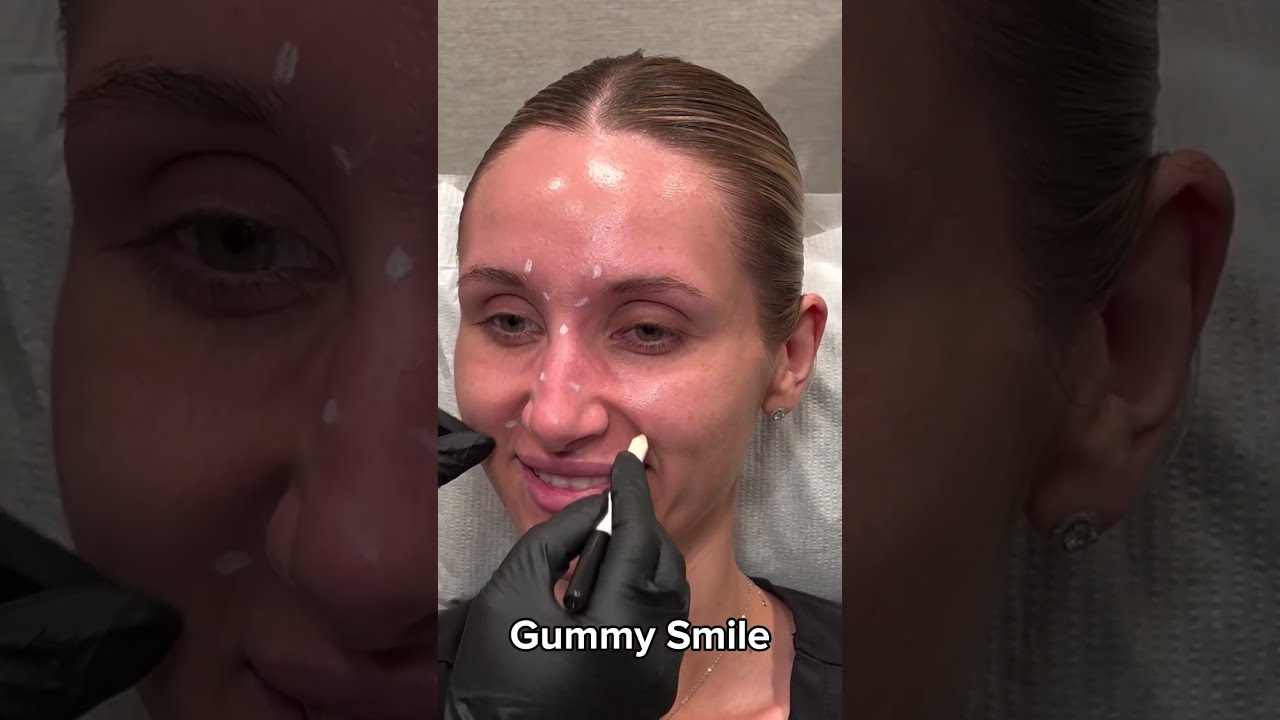
Consider how a small botox brow lift can open the eyes, a lip flip can balance a smile without volume, or treating a gummy smile can reduce gum show. The same tool provides different outcomes because the intent shifts. Botox facial contouring is as much about restraint as action. When we use it to slim a jaw, we measure success not only in centimeters, but in how comfortably you chew, how effortless your expression looks, and how the lower face relates to the eyes and cheeks.
Practical scheduling and long-term planning
Good timing avoids overlaps. If you are also planning botox forehead or frown line treatments, it is easy to combine those with masseter injections in one botox session. If you are experimenting with a new skincare regimen or peels, schedule those at least a few days separate so you can attribute any reaction correctly. If you have a big event, plan your botox face treatment 6 to 8 weeks ahead so the contour has time to show and any tiny touch-ups can be made well before photos.
A long-term plan typically includes an initial build phase during year one, then maintenance in year two and beyond. Patients who maintain a night guard, manage stress, and keep chewing habits mindful often stretch their intervals. Lifestyle matters. Chewing ice, daily gum, and weightlifting bracing routines can all push the masseters back to hypertrophy. The best outcomes pair safe botox with intelligent habits.
Final thoughts from the treatment chair
The most gratifying moment is when a patient returns at the two to three month mark and absentmindedly rubs the jaw, realizing that nagging tension has faded. Their before-and-after photos show a quieter lower face, and they describe sleeping better. Sometimes their dentist notices less wear at the next visit. On camera, their jawline reflects light more evenly, without that pronounced bulge near the angle. It is not dramatic like a surgical reveal; it is more like a lens focusing until the image feels crisp.
Cosmetic botox injections are tools, not magic. In experienced hands, botox aesthetic injections for the masseter Greenville SC botox strike a careful balance between form and function. If you are considering it, take time choosing your injector, ask for a plan that respects your anatomy, and favor gradual changes. The safest, most effective jaw slimming grows out of clear goals, steady technique, and honest follow-up. When those elements line up, the lower face can be contoured safely, comfortably, and in a way that looks and feels like you.